
Post-Surgical Recovery: Occupational Therapy for Rehab Management
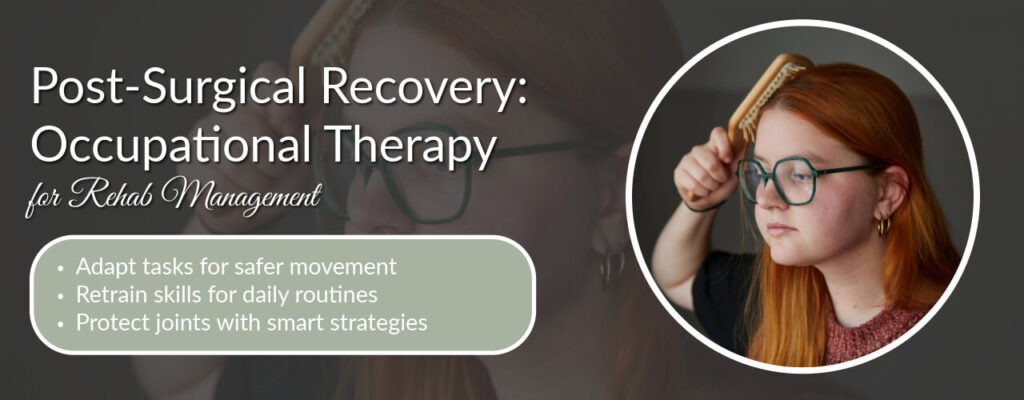
Recovering from surgery is a complex process with one overarching goal: helping you regain the ability to live life on your own terms. Whether you’ve had a joint replacement, spinal surgery, or rotator cuff repair, the path to full recovery often includes more than just rest. Occupational therapy for post-surgical recovery plays a vital role in helping people return to daily routines with confidence and independence.
At GO Physical Therapy - Grand Island, new patients don’t always understand occupational therapy’s role in post-surgical rehabilitation. We’re correcting that by answering frequently asked questions we’ve received over the years.
OT and Post-Surgical Recovery: Your Questions Answered!
What is occupational therapy, and how does it help after surgery?
Occupational therapy is a form of rehabilitation that helps individuals improve their ability to perform everyday activities. After surgery, many patients struggle with tasks like bathing, dressing, cooking, or even writing. OT interventions can help address these challenges, particularly in orthopedic and neurological cases.
Our occupational therapists assess how surgery has affected your mobility, coordination, and strength, then design a personalized plan to support recovery. This might include:
- Adaptive techniques to perform daily tasks safely
- Exercises to regain fine motor skills and coordination
- Home environment modifications to reduce fall risk
- Education on assistive devices (e.g., reachers, grab bars)
When should occupational therapy begin after surgery?
Early intervention leads to better outcomes. Initiating occupational therapy once your surgeon clears you (usually within the first few weeks) can reduce complications, encourage proper body mechanics, and improve pain management through movement.
Depending on the procedure and your physician’s recommendations, OT may begin in the hospital, rehabilitation center, or shortly after you return home.
How does occupational therapy for post-surgical recovery differ from physical therapy?
While physical therapy focuses on strength, movement, and mobility, occupational therapy addresses the skills you need to function in everyday life. OT looks at the “how” of daily living.
For example, after hand surgery, one of our physical therapists may work on improving grip strength, while our occupational therapists help you relearn how to button a shirt or write. The distinction lies in function.
We often combine the two disciplines for a comprehensive recovery plan.
What types of surgeries benefit most from occupational therapy?
Many types of surgery can lead to temporary or long-term challenges in daily function. Occupational therapy for post-surgical recovery is effective in a wide range of cases, including:
- Orthopedic surgeries (e.g., hip/knee replacement, shoulder repair)
- Neurological surgeries (e.g., spinal fusion, brain tumor removal)
- Cardiac procedures that affect endurance and self-care
- Hand and wrist surgeries requiring fine motor retraining
What should I expect during occupational therapy sessions?
Every OT session is tailored to your specific goals and recovery timeline. We’ll work closely with you to ensure the program aligns with your lifestyle and recovery pace.
Most OT plans include:
- Personalized assessments and goal-setting
- Task simulation (e.g., practicing kitchen activities, grooming tasks)
- Muscle re-education and joint protection strategies
- Guidance for family or caregivers
Let Us Help You Regain Your Independence After Surgery
Occupational therapy for post-surgical recovery bridges the gap between surgery and a return to everyday life. With personalized support, adaptive strategies, and expert guidance, you can rebuild confidence in your ability to live independently.
If you’re recovering from surgery and want to improve your daily function, contact GO Physical Therapy - Grand Island today to schedule an appointment. We’re ready to support your journey back to the life you love.